Thinking about Plant City? If you want a place with a strong local identity, a real downtown, and easier access to both Tampa and Lakeland, Plant City may be worth a closer look. For many buyers, the big question is whether it feels too quiet, too busy, or just right for everyday life. This guide will help you understand what it’s actually like to live in Plant City, from housing and commuting to downtown events and the city’s overall pace. Let’s dive in.
Plant City has a distinct local feel
Plant City stands out because it does not feel like just another pass-through suburb. It has deep agricultural roots, a historic downtown, and a community identity tied closely to local events and traditions. That gives the city a more established feel than many newer growth areas across the region.
The city’s 2024 population estimate was 43,046, up from 39,764 in 2020. That growth suggests Plant City is attracting new residents while still holding onto its local character. If you want a mid-sized city with a recognizable sense of place, that is part of the appeal.
Downtown Plant City is active
One of the biggest lifestyle advantages in Plant City is its historic downtown. Local organizations describe downtown as a center for preservation, revitalization, and regular public events, which helps create a more connected day-to-day experience.
Historic Plant City Main Street highlights more than 20 days of 2026 activities in downtown alone. Recurring events include Last Friday, the Arts Festival, Oktoberfest, and the Strawberry Drop. In practical terms, that means downtown is not just a cluster of buildings. It is an active social hub with regular reasons to get out and enjoy the area.
The city also describes Plant City as having walkable neighborhoods, historic districts, and local retail, dining, and entertainment options. If your ideal hometown includes local outings that stay close to home, Plant City offers more of that than many highway-focused communities.
The strawberry identity is real
If you live in Plant City, you will quickly notice how central strawberries are to the city’s identity. The Chamber describes Plant City as the Winter Strawberry Capital of the World, and that theme shows up in both branding and annual traditions.
The Florida Strawberry Festival is the city’s signature event. The official festival site listed the 2026 dates as February 26 through March 8, and later reported attendance of 573,299. That kind of turnout gives late winter in Plant City a very different rhythm than a typical suburban community.
For residents, festival season can mean more energy, more visitors, and heavier traffic around key areas like the fairgrounds and downtown. For some people, that hometown tradition is a major plus. For others, it is something to factor into how they picture everyday life during that time of year.
Housing in Plant City is mostly single-family
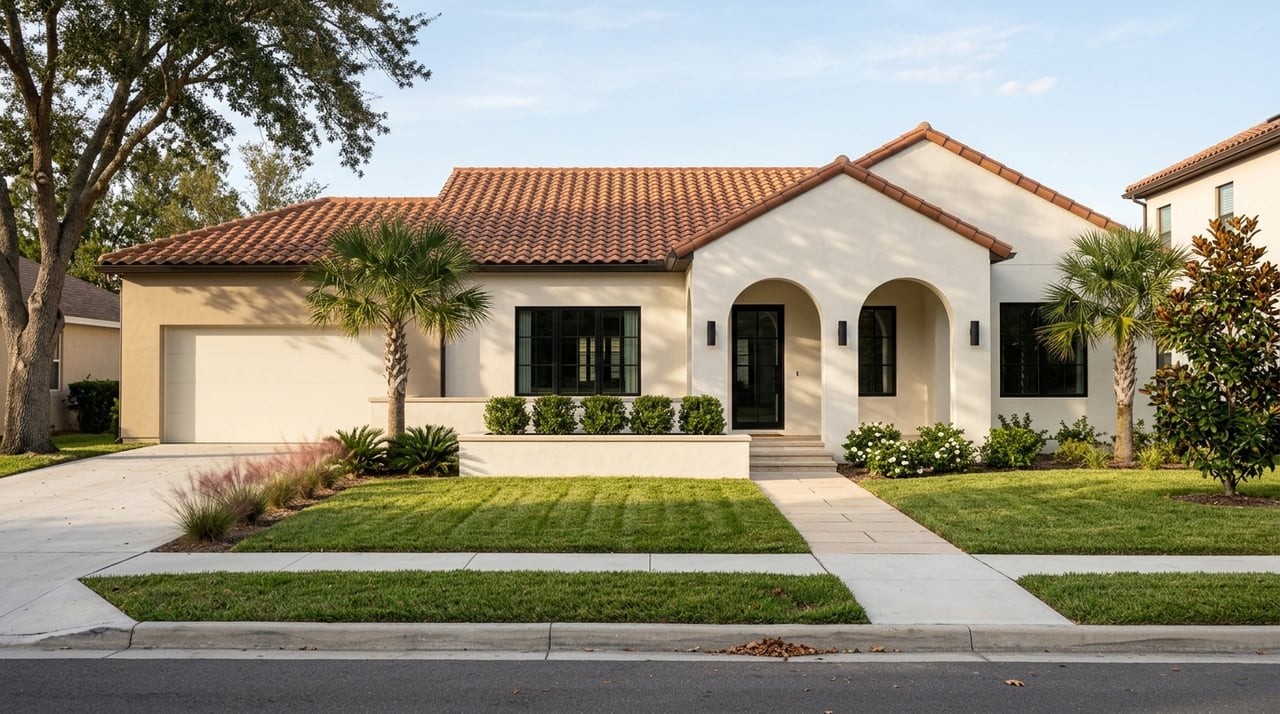
Plant City’s housing mix leans heavily toward detached homes. According to the city’s financial reporting, 67% of the housing stock is single-family detached, with the rest made up of condos, duplexes, multifamily housing, and mobile home parks.
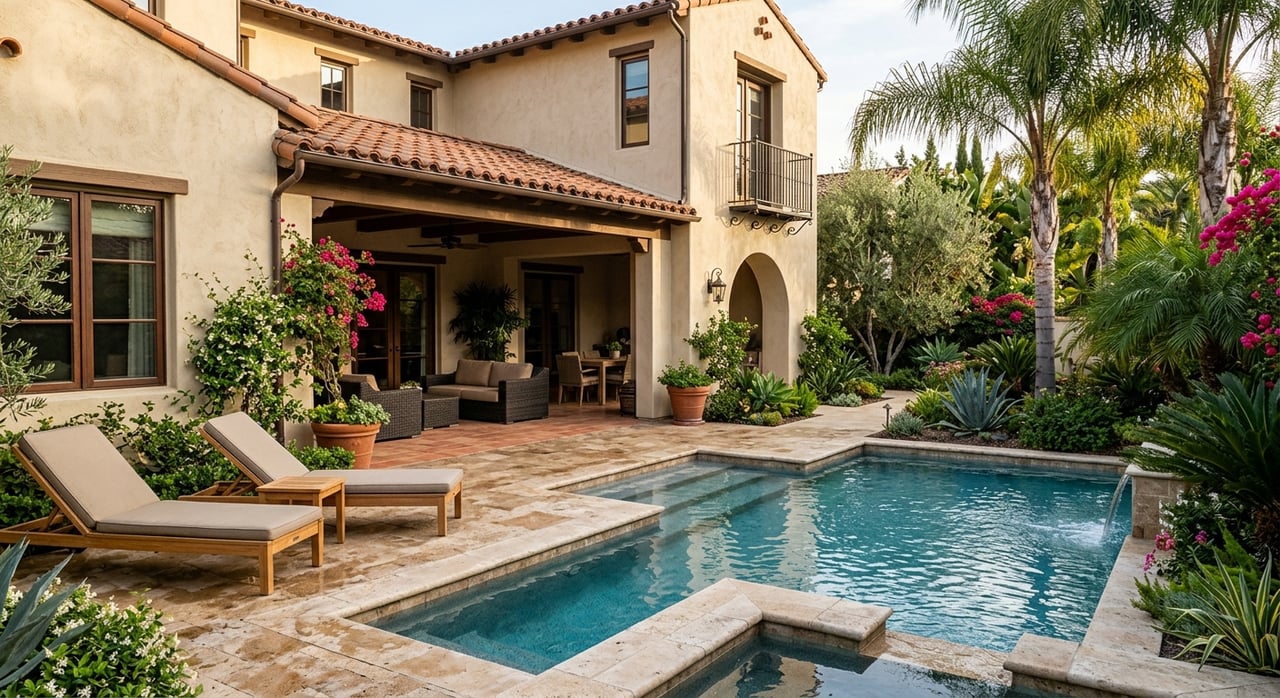
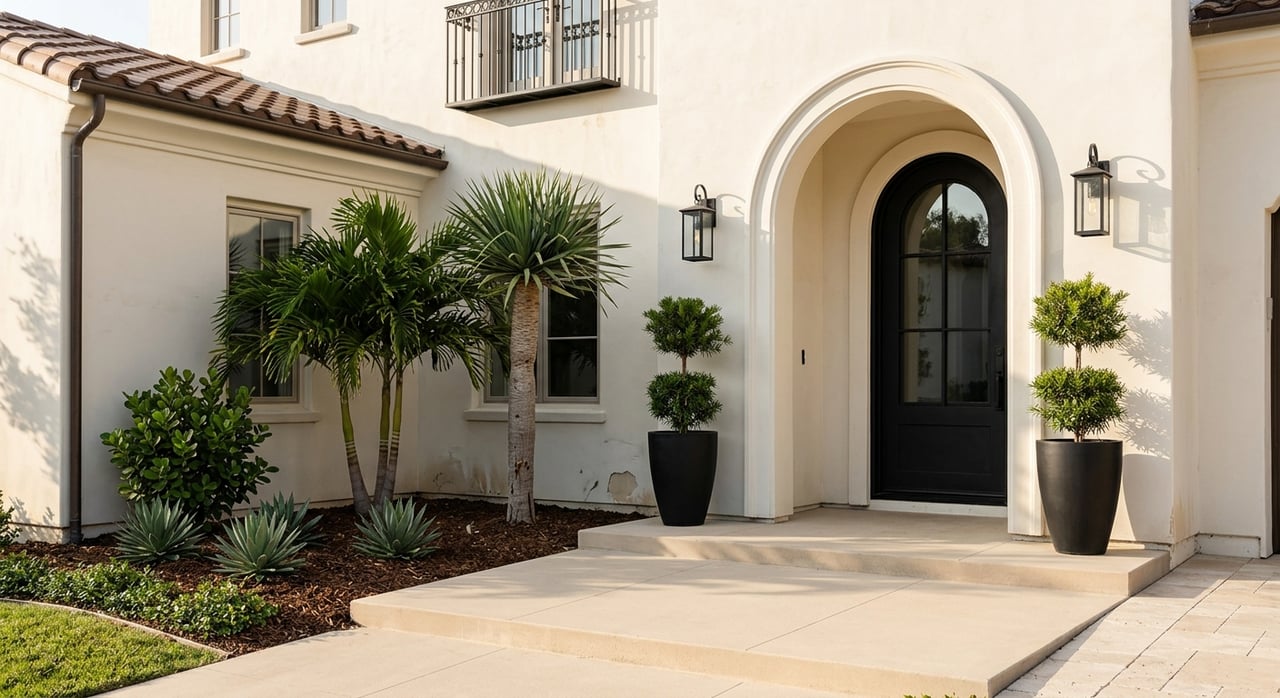
That tells you a lot about the city’s feel. In many parts of Plant City, you can expect a more traditional residential pattern rather than a dense urban setup. It is a useful fit for buyers who want more single-family options while still staying connected to the broader Tampa Bay area.
Census data show a 66.4% owner-occupied housing rate, a median owner-occupied home value of $291,800, and a median gross rent of $1,409. Those numbers help frame Plant City as a market with both ownership and rental options, though ownership remains the dominant pattern.
Neighborhood patterns vary across the city
Plant City is not one-note. Official planning documents point to an older, more urban-in-character downtown core and newer residential growth in the northeast part of the city and the south end of town.
For buyers, that often means you will see different lifestyle options depending on where you look. Closer to the historic core, you may find older in-town homes and a more walkable setting. Farther out, you may find areas with a more subdivision-style feel and newer housing stock.
That mix is important if you are relocating and trying to narrow down the right fit. Plant City gives you more than one version of suburban living, which can be a real advantage when your priorities include commute, home style, and access to local amenities.
Plant City works well for regional commuting
Location is one of Plant City’s practical strengths. The city sits on the I-4 corridor about 25 miles east of Tampa and 50 miles west of Orlando, with Lakeland nearby. That makes it a reasonable option if you want regional access without living in a more built-up core area.
Major routes through town include Interstate 4, U.S. 92, and State Route 39. The city’s redevelopment plan also notes I-4 interchanges at Forbes Road, Thonotosassa Road, Alexander Street, Wheeler Street, and Park Road, which supports Plant City’s role as a commute-capable location.
Census data show a mean commute time of 28.2 minutes. That is manageable by suburban standards, though it does not mean traffic is never an issue.
Traffic has a few local trouble spots
Like many well-connected cities, Plant City has some congestion points to know about. Planning documents note that downtown streets can experience delays from train traffic and large trucks, especially on Baker, Collins, Evers, Haines, Reynolds, and Wheeler streets.
If your daily routine takes you through downtown, those patterns are worth keeping in mind. This does not make Plant City hard to navigate, but it does reinforce that local route planning matters, especially if you are comparing neighborhoods based on convenience.
The bigger picture is simple. Plant City offers access and connectivity, but it is still a real working city with rail and truck activity, not a traffic-free small town.
Many daily needs can stay close to home
Plant City offers more local convenience than some buyers expect. The Chamber notes access to Hillsborough Community College and South Florida Baptist Hospital, and the city describes a mix of retail, dining, and entertainment options.
That matters because lifestyle is not just about where you sleep. It is also about how often you need to leave town to handle errands, appointments, or an easy night out. In Plant City, many everyday needs can be met locally while still keeping the rest of the region within reach.
Local jobs and community infrastructure support daily life
Plant City is not only a bedroom community. The city’s 2021 financial report noted about 20,400 jobs across more than 2,200 registered businesses, with manufacturing, retail trade, and health care and social assistance listed as the largest sectors.
That supports a balanced picture of the local economy. Some residents commute out, while others work closer to home. For buyers thinking about long-term livability, that mix can be a meaningful advantage.
The city has also reported 15 neighborhood parks and 736 acres of park area, alongside ongoing investment in roads, parks, utilities, and public facilities. Those details help show that Plant City’s appeal is not limited to housing alone.
Who Plant City tends to suit best
Plant City can be a strong fit if you want a smaller-scale city with more personality than a typical suburban grid. It may especially appeal to buyers who value a historic downtown, community events, detached-home options, and access to the I-4 corridor.
It can also work well if you want to stay connected to the Tampa Bay region without being in the middle of it every day. Plant City feels more traditional and more grounded in local identity than many newer communities.
At the same time, it helps to go in with a clear picture. Festival season brings extra activity, downtown rail crossings can affect travel, and neighborhood character changes from one part of the city to another. When you understand those tradeoffs, you can make a much more confident move.
If you are considering a move to Plant City or comparing it with other Greater Tampa Bay areas, having local guidance can make the decision process much easier. Julie Kelsey offers experienced, thoughtful support for buyers, sellers, and relocating clients who want clear advice and a smooth experience.
FAQs
What is the general lifestyle like in Plant City?
- Plant City offers a mix of historic character, local events, mostly single-family housing, and regional access through the I-4 corridor.
Is downtown Plant City active for residents?
- Yes. Historic Plant City Main Street highlights recurring events such as Last Friday, the Arts Festival, Oktoberfest, and the Strawberry Drop, which help make downtown an active gathering area.
What types of homes are common in Plant City?
- City reporting says 67% of the housing stock is single-family detached, with additional options including condos, duplexes, multifamily housing, and mobile home parks.
Is Plant City good for commuting to other areas?
- Plant City is well positioned for regional travel, with access to I-4, U.S. 92, and State Route 39, plus a mean commute time of 28.2 minutes according to Census data.
What should buyers know about traffic in Plant City?
- Downtown streets can see delays from train traffic and large trucks, especially on Baker, Collins, Evers, Haines, Reynolds, and Wheeler streets.
Does Plant City have a strong local identity?
- Yes. The city’s agricultural roots, historic downtown, and the Florida Strawberry Festival all contribute to a distinct local identity that many residents find appealing.